

Hogs Football
If going pro doesn’t end college eligibility, what does?
Two former Ole Miss players signed NFL deals, were waived and turned to LSU. Today they have no football home.
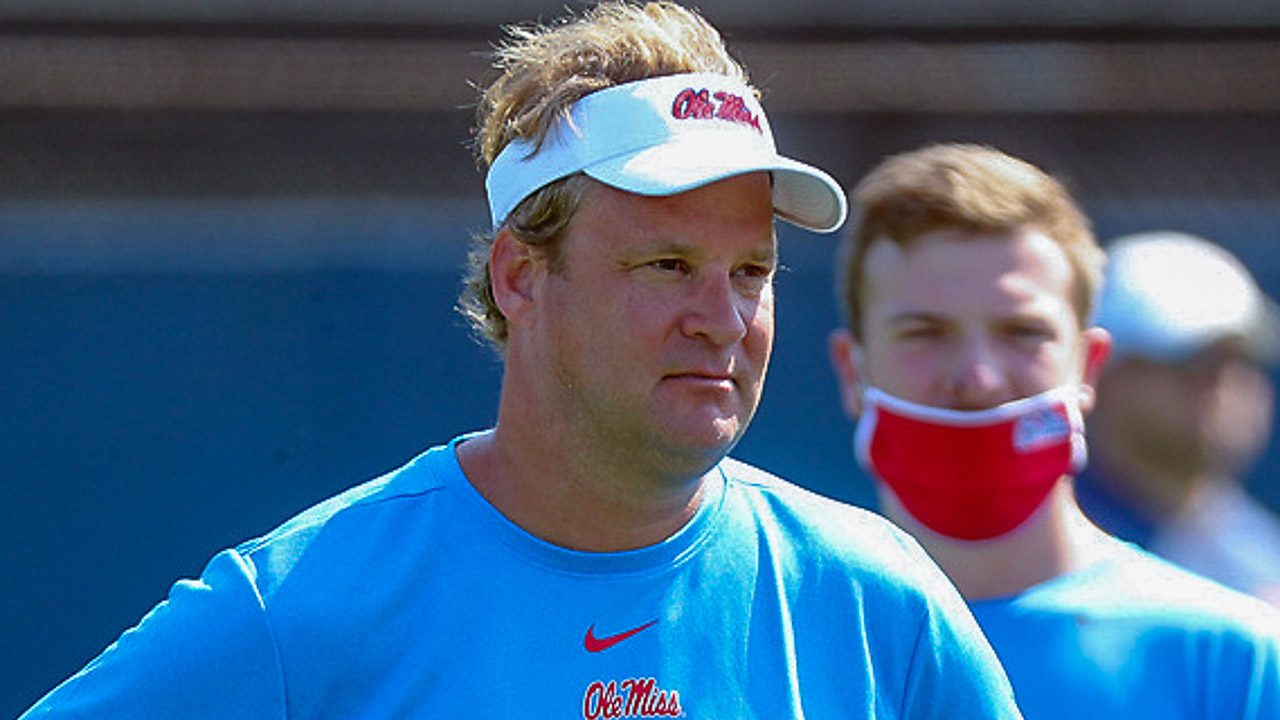
College athletics has changed.
Name, image and likeness compensation, the transfer portal and blurred lines between amateur and professional sports have transformed the meaning of student-athlete.
Another line may be disappearing: the one between leaving college for professional sports and coming back.
At LSU, former Ole Miss players Dae’Quan Wright and Zxavian Harris sought to return to college football after signing NFL contracts, participating in training camps and being waived.
A Louisiana judge granted a preliminary injunction preventing the NCAA and SEC from enforcing eligibility restrictions while the players’ lawsuit proceeds.
LSU nevertheless left both players off its roster.
The NFL then notified its teams that Wright and Harris could not visit, try out for or sign with an NFL club during the 2026 season because they had attempted to return to college after NFL training camps opened.
Caught between old and new eligibility rules
These athletes were caught in a changing NCAA eligibility system.
The NCAA recently moved from allowing four seasons of competition within five years to permitting five seasons during that period.
Players who had exhausted four seasons found themselves on the wrong side of a rule changed after decisions about their futures had been made.
That may justify an exception but exceptions become precedents, raising a larger question: Should a professional athlete be permitted to return to college competition?
College athletics once had a straightforward understanding. An athlete could remain in school and compete or leave to pursue professional opportunities.
Going professional involved risk, and that risk was part of the decision. If the opportunity disappeared, returning to college to reclaim his position was not an option.
Keeping a line between college and pro
There is value in maintaining that distinction.
This is not about punishing young athletes for pursuing their dreams. But signing a professional contract and participating in a professional organization should mean something.
Otherwise, college athletics risks becoming a revolving door.
Another person in this debate receives surprisingly little attention: the athlete who never left.
Imagine an 18-year-old freshman hoping to earn playing time, a sophomore who has spent two seasons practicing and waiting, or a high-school recruit promised the chance to compete for a position.
Now imagine a 23- or 24-year-old former professional returning after experiencing an NFL training camp and professional coaching.
While someone gets another chance, someone else may lose his first.
Finite rosters and the question of incentives
Roster positions, scholarships and playing time are finite. Every eligibility decision affects more than the athlete challenging the rule.
Courts understandably focus on whether a regulation treats the plaintiff fairly. Athletic organizations must consider something broader: whether changing that rule treats everyone else fairly.
There is also the question of incentives.
Talented college athletes must decide when they are ready to turn professional. Leaving too soon carries consequences.
If athletes can sign contracts, test themselves against professional competition and return to college if things do not work out, an important incentive to make that decision carefully disappears.
That may benefit the individual athlete, but not college athletics.
A call for a clear NCAA rule
The LSU case presents a sympathetic circumstance and a warning.
Wright and Harris now find themselves outside both LSU’s roster and the NFL for this season. Players caught between changing rules may deserve narrowly tailored relief.
But temporary judicial decisions arising from unusual circumstances should not quietly establish a permanent revolving door between college and professional sports.
The NCAA and conferences need a clear rule.
Athletes should be free to explore professional opportunities without unnecessarily sacrificing eligibility.
But once an athlete signs a professional contract and participates at the professional level, collegiate eligibility should ordinarily end.
College sports can evolve without abandoning every boundary that distinguished them from professional sports.
In deciding whether a former professional deserves another chance, we should not forget the student-athlete standing behind him, still waiting for his first.
Deborah A. Wilson is a Georgetown University Law graduate and practicing lawyer in Northern Virginia. She is an avid sports fan and is the author of The Seam, Secrets Beneath the North Pole


| Sat, Sep 5 |  | vs North Alabama | W 31-14 |
| Sat, Sep 12 |  | @ Utah | L, 43-10 |
| Sat, Sep 19 |  | Georgia | L, 45-17 |
| Sat, Sep 26 |  | Tulsa | 7:00 PM SECN+ |
| Sat, Oct 3 |  | @ Texas A&M | 6:00 PM ESPN or ESPN2 |
| Sat, Oct 10 |  | Tennessee | TBA |
| Sat, Oct 17 |  | @ Vanderbilt | TBA |
| Sat, Oct 31 |  | vs Missouri | TBA |
| Sat, Nov 7 |  | @ Auburn | TBA |
| Sat, Nov 14 |  | South Carolina | TBA |
| Sat, Nov 21 |  | @ Texas | TBA |
| Sat, Nov 28 |  | vs LSU | TBA |
-
 Hogs Football1 year ago
SEC adopts 9‑game schedule in 2026; Arkansas‑Missouri rivalry likely annual
-
 Hogs Football10 months ago
Razorbacks announce full 2026 schedule with SEC, Utah trip ahead
-

 Eating NWA12 months ago
CJ’s Butcher Boy Burgers keeps Fayetteville’s classic flavor fresh
-

 Eating NWA11 months ago
Oak Steakhouse Rogers: Steaks, service and skyline in NWA
-

 Hogs Baseball2 months ago
Hogs infielder Kozeal drafted by Marlins after big junior year
-
 Hogs Football3 months ago
Razorback fans circle Texas A&M every year but math says stop it
-
 Hogs Baseball4 months ago
Arkansas Got Snubbed by the NCAA Selection Committee
-
 News9 months ago
Razorbacks DL Ian Geffrard hits portal after uneven 2025 season